
 Home cleaning standards have evolved dramatically over the past century, shifting from basic surface tidying focused primarily on appearances to comprehensive health-centered cleaning systems that target invisible contaminants like allergens, bacteria, and viruses. Some premier residential cleaning companies, such as The Maids, now emphasize indoor air quality, allergen reduction, and sanitization using HEPA filtration technology and EPA-approved disinfectants, a stark contrast to the appearance-focused dusting and sweeping that dominated household cleaning for generations. This evolution reflects our growing understanding of how home environments directly impact respiratory health, immune function, and overall family well-being.
The transformation of cleaning standards didn’t happen overnight. Each generation brought new scientific discoveries, technological innovations, and cultural shifts that fundamentally changed how we approach maintaining clean, healthy homes. Understanding this evolution helps explain why modern maid service expectations differ so dramatically from what your grandparents considered adequate home maintenance.
What Were Cleaning Standards Like in the Early 1900s?
Early 20th century cleaning standards focused almost exclusively on visible cleanliness and social respectability rather than health outcomes or sanitation science. Homes were considered clean when surfaces looked tidy, floors showed no visible dirt, and spaces appeared organized enough to receive guests without embarrassment.
The typical early 1900s cleaning routine centered on sweeping floors with corn brooms, beating rugs outdoors to remove embedded dirt, dusting furniture with feather dusters or dry cloths, and occasional scrubbing of floors and surfaces with harsh lye-based soaps. These methods removed visible soil but did little to address bacteria, allergens, or microscopic contaminants we now know significantly impact health.
Indoor air quality received virtually no consideration during this era. Homes used coal or wood heating that filled living spaces with smoke and soot, requiring constant dusting that simply redistributed particles rather than removing them from the environment. The concept of “clean air” inside homes wouldn’t become a cleaning priority for several more decades.
Social class largely determined cleaning frequency and thoroughness during the early 1900s. Wealthy families employed full-time household staff who maintained rigorous daily cleaning schedules, while working-class families cleaned as time and energy permitted around demanding work schedules and large families. The emerging middle class straddled these extremes, with many households employing part-time help for the most labor-intensive tasks.
How Did Mid-Century Innovations Change Home Cleaning Standards?
The post-World War II era brought revolutionary changes to home cleaning through technological innovations and new chemical products that fundamentally transformed what families could accomplish and what they expected from clean homes. The 1950s through 1970s represented perhaps the most dramatic shift in residential cleaning standards in human history.
The Vacuum Cleaner Revolution
Electric vacuum cleaners became widely affordable and available in American homes during the 1950s, replacing the labor-intensive process of sweeping, beating rugs, and hauling carpets outdoors for cleaning. Early vacuum models removed significantly more dirt than brooms and manual methods, raising expectations about how clean floors should look and feel. However, these early machines lacked filtration systems and simply recirculated fine dust particles back into the air, a limitation that wouldn’t be addressed for decades.
Chemical Cleaning Product Explosion
The mid-century decades introduced an explosion of specialized chemical cleaning products promising faster, easier, more effective cleaning than traditional soap and water methods. Window cleaners, floor waxes, furniture polishes, bathroom tile cleaners, and kitchen degreasers flooded the market, each claiming superior results for specific surfaces and cleaning challenges. This specialization raised cleaning standards by making it possible to achieve results that previous generations couldn’t accomplish with simple soap.
Cultural Cleanliness Expectations
Television advertising and women’s magazines during the 1950s and 1960s promoted increasingly rigorous cleaning standards tied to homemaking pride and social status. The “perfect housewife” ideal demanded spotless homes with gleaming floors, streak-free windows, and dust-free surfaces maintained through daily effort. These cultural pressures established cleaning expectations that many families still unconsciously carry today, even though modern busy schedules make such standards unrealistic without professional home cleaning service support.
When Did Health-Focused Cleaning Standards Emerge?
Health-centered cleaning standards emerged gradually during the 1980s and 1990s as scientific research revealed connections between home environments and respiratory health, allergies, childhood asthma, and immune system function. This knowledge fundamentally changed what “clean” meant, shifting focus from appearance to invisible health impacts.
Allergen Awareness
Medical research during the 1980s established clear links between household allergens, including dust mites, pet dander, mold spores, and cockroach particles, and the rising rates of childhood asthma and allergies. This scientific understanding created demand for cleaning methods that actually removed these microscopic particles rather than simply redistributing them through traditional dusting and sweeping.
The discovery that dust mites living in mattresses, pillows, carpets, and upholstered furniture triggered severe allergic reactions transformed cleaning priorities. Families began focusing on bedroom cleaning, mattress covers, and carpet deep cleaning with greater urgency than previous generations, who had no understanding of these invisible threats.
Indoor Air Quality Recognition
Growing awareness during the 1990s that indoor air quality often measured worse than outdoor air quality shocked many homeowners and health professionals. Research showed that traditional cleaning methods stirred up allergens and pollutants without removing them, creating temporary spikes in air contamination that could trigger respiratory problems hours after cleaning finished.
This knowledge drove demand for vacuum cleaners with sealed HEPA filtration systems that trapped particles as small as 0.3 microns instead of releasing them back into the home. Professional residential cleaning companies began emphasizing air quality outcomes rather than just surface appearance, fundamentally changing industry standards and customer expectations.
How Have Cleaning Product Standards Evolved for Safety and Environment?
Cleaning product standards have undergone dramatic transformation as scientific research revealed health risks from harsh chemicals and environmental damage from certain ingredients. Modern expectations demand products that clean effectively while protecting family health and environmental sustainability.
Moving Away from Harsh Chemicals
Mid-20th century cleaning products frequently contained harsh acids, strong alkalis, chlorine bleach, ammonia, and other aggressive chemicals that cleaned effectively but posed significant health risks. Mixing certain products created toxic fumes that caused serious injuries and deaths, while routine exposure contributed to respiratory irritation and long-term health concerns.
The push toward safer cleaning products accelerated during the 1990s and 2000s as parents became increasingly concerned about chemical exposure for young children, pets, and family members with respiratory sensitivities. Greensboro families began seeking maid service providers using environmentally safe products that delivered cleaning results without introducing potentially harmful chemicals into their living spaces.
Environmental Impact Awareness
Growing environmental consciousness during the past two decades has driven demand for cleaning products that don’t harm waterways, aquatic life, or ecosystems when they wash down drains and enter water treatment systems. Phosphate-free formulas, biodegradable ingredients, and plant-based cleaning agents have largely replaced the harsh synthetic chemicals that dominated previous generations.
Third-Party Certification Standards
Modern cleaning product standards increasingly rely on third-party certifications, including EPA Safer Choice, Green Seal, and EcoLogo that verify safety claims and environmental performance. Professional home cleaning services throughout the Triad area now emphasize these certifications when selecting products, providing customers with objective assurance beyond marketing claims.
The Maids of the Triad’s commitment to environmentally safe cleaning products reflects this evolution, using formulas that protect both family health and environmental quality while still delivering the thorough cleaning results customers expect from professional service.
What Role Has Technology Played in Modern Cleaning Standards?
Technological innovation has driven continuous improvement in cleaning standards, introducing equipment and methods that achieve results previous generations couldn’t imagine, regardless of effort invested. These advances have made truly clean, healthy homes achievable for busy families who lack time for the labor-intensive methods of the past.
HEPA Filtration Revolution
HEPA (High-Efficiency Particulate Air) filtration technology, originally developed for nuclear facilities and medical applications, transformed residential cleaning when adapted for home vacuum cleaners during the 1990s. HEPA filters trap 99.97 percent of particles as small as 0.3 microns, capturing allergens, bacteria, and fine dust that older vacuum cleaners simply recirculated throughout homes.
The American Lung Association’s recommendation of HEPA filtration for households with respiratory concerns established new industry standards. Professional residential cleaning companies serving Greensboro and surrounding areas adopted HEPA-equipped vacuums as standard equipment, raising expectations above what homeowners could achieve with consumer-grade cleaning tools.
Microfiber Material Advantages
Microfiber cleaning cloths introduced during the late 1990s clean more effectively while using less water and fewer chemical products than traditional cotton or paper materials. The microscopic fiber structure traps and holds dirt particles rather than spreading them across surfaces, achieving superior results with less physical effort and chemical use.
Advanced Disinfection Technology
EPA-approved disinfectants specifically formulated to kill dangerous pathogens, including influenza, norovirus, and coronaviruses, have become standard in professional cleaning protocols, particularly after the 2020 COVID-19 pandemic heightened awareness about surface transmission of illness. These products meet rigorous efficacy standards while maintaining acceptable safety profiles for use in occupied homes.
Backpack Vacuum Systems
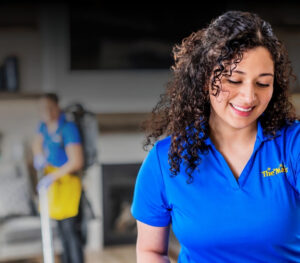
Professional-grade backpack vacuum systems with HEPA filtration and superior suction capacity allow cleaning teams to work more efficiently while achieving better results than traditional upright models. The ergonomic design reduces physical strain while the enhanced maneuverability enables thorough cleaning of furniture, stairs, and hard-to-reach areas that conventional vacuums often miss.
How Have Customer Expectations for Professional Cleaning Services Changed?
Customer expectations for professional maid services have evolved dramatically alongside changing cleaning standards, scientific knowledge, and cultural shifts regarding home health and cleanliness. Modern customers demand comprehensive services addressing health outcomes rather than just surface-level tidying.
From Basic Tidying to Health-Focused Systems
Previous generations typically hired household help for basic tasks like sweeping, dusting, and surface cleaning focused on maintaining appearances for social respectability. Modern Greensboro homeowners seek professional residential cleaning companies that implement systematic approaches targeting allergen reduction, sanitization, and indoor air quality improvement alongside visible cleanliness.
The shift from task-based cleaning (“dust the furniture, sweep the floors”) to outcome-based expectations (“reduce allergens, improve air quality, prevent illness”) requires more sophisticated training, better equipment, and systematic approaches like The Maids of the Triad’s 22-step Ultimate Healthy Home cleaning process.
Demand for Specialization and Expertise
Today’s customers expect professional cleaning teams to understand how different surfaces, materials, and contaminants require specific approaches and products. The one-size-fits-all cleaning methods of previous decades have given way to specialized knowledge about hardwood versus tile flooring care, natural stone versus synthetic countertop maintenance, and proper techniques for different fabric types.
Professional home cleaning services must now train teams on ever-evolving best practices for new materials, finishes, and home features that didn’t exist when older cleaning standards were established. This specialized expertise separates truly professional services from casual cleaning help.
Transparency and Communication Standards
Modern customers demand clear communication about what cleaning services include, which products and methods will be used and expected outcomes from professional cleaning. The informal arrangements and vague expectations common in previous generations have been replaced by detailed service descriptions, written agreements, and satisfaction guarantees that protect both customers and service providers.
Consistency and Reliability Requirements
Today’s busy families require consistent, reliable service that arrives on schedule and maintains quality across multiple visits. The tolerance for unpredictable quality or unreliable scheduling that customers once accepted from household help has disappeared as families increasingly depend on professional cleaning to maintain livable homes amid demanding work schedules and family responsibilities.
What Current Trends Are Shaping Future Cleaning Standards?
Emerging trends continue pushing cleaning standards toward even greater emphasis on health outcomes, environmental responsibility, and scientific validation of cleaning methods and products. These developments will shape how professional residential cleaning companies operate and what customers expect in coming years.
Increased Focus on Antimicrobial Effectiveness
The COVID-19 pandemic permanently heightened awareness about surface transmission of illness and the importance of proper disinfection in preventing disease spread. Customers now expect professional cleaning services to understand the difference between cleaning (removing dirt), sanitizing (reducing bacteria), and disinfecting (killing viruses), and to apply appropriate methods for different situations and surfaces.
Indoor Air Quality Monitoring
Growing availability of consumer air quality monitors that measure particulate matter, volatile organic compounds, and other contaminants is making invisible air pollution visible to homeowners. This transparency is driving demand for cleaning methods proven to improve measured air quality outcomes rather than relying on subjective appearance-based assessments.
Scientific Validation Requirements
Customers increasingly expect professional home cleaning services to base their methods and product choices on scientific evidence rather than tradition or marketing claims. Third-party testing, peer-reviewed research, and certification from respected health organizations carry more weight than ever before in establishing credibility and trust.
Sustainable and Green Cleaning Evolution
Environmental consciousness continues driving innovation in cleaning products and methods that minimize ecological impact without compromising cleaning effectiveness or health protection. The next generation of green cleaning standards will likely emphasize verifiable sustainability credentials backed by lifecycle analysis rather than simple “natural” or “green” marketing labels.
How Do Modern Cleaning Standards Impact Busy Greensboro Families?
Modern cleaning standards create both challenges and opportunities for busy families throughout the Greensboro area trying to maintain healthy homes while managing demanding work schedules, active children, and full lives. Understanding how standards have evolved helps families make informed decisions about their cleaning approaches.
Higher Standards Require More Time or Professional Help
The comprehensive health-focused cleaning standards that modern scientific knowledge demands require significantly more time, specialized equipment, and technical expertise than the basic surface cleaning previous generations considered adequate. Most busy families lack the 8 to 12 hours weekly required to maintain truly clean homes using proper methods and equipment.
This reality explains why professional maid service has evolved from a luxury reserved for wealthy households to a practical necessity for working families who prioritize health but lack sufficient time for the labor-intensive cleaning modern standards require.
Equipment Investment Challenges
Achieving modern cleaning standards requires HEPA filtration vacuums, microfiber materials, multiple specialized cleaning products for different surfaces, and other equipment investments that many families find cost-prohibitive, particularly when they lack time to use these tools regularly. Professional residential cleaning companies spread these equipment costs across many customers while ensuring tools receive consistent use that justifies the investment.
Knowledge Gap Between Standards and Practice
Many families remain unaware of how dramatically cleaning standards have evolved and continue using methods their parents and grandparents employed, despite scientific evidence showing these approaches inadequately address allergens, indoor air quality, and sanitization. This knowledge gap means homes appear superficially clean while failing to achieve the health outcomes modern standards target.
Experience Modern Cleaning Standards That Protect Your Family’s Health
The evolution of cleaning standards from basic surface tidying to comprehensive health-focused systems reflects our growing scientific understanding of how home environments impact respiratory health, immune function, and overall family wellbeing. Modern busy Greensboro families face the challenge of meeting these higher standards while managing demanding careers, active children, and full lives that leave little time for the labor-intensive cleaning today’s health expectations require.
The Maids of the Triad brings modern cleaning standards to Greensboro homes through their science-based 22-step Ultimate Healthy Home cleaning process. Their systematic approach incorporates HEPA filtration technology, EPA-approved disinfectants, environmentally safe cleaning products, and comprehensive training that reflects current best practices rather than outdated methods from previous generations. Since 2008, their team has helped local families throughout Greensboro, Winston-Salem, High Point, and surrounding communities maintain truly clean, healthy homes without sacrificing precious family time to exhausting cleaning marathons.
If you’re ready to experience the difference modern cleaning standards make for your family’s health and home environment, contact The Maids of the Triad today at (336) 292-7800. Their experienced local team can create the genuinely clean, healthy living spaces your family deserves, using the advanced methods and equipment that current science shows truly matter.
Frequently Asked Questions About Evolving Cleaning Standards
When did professional house cleaning services become common for middle-class families?
Professional cleaning services transitioned from luxury reserved for wealthy households to practical option for middle-class families during the 1990s and 2000s as dual-income households became the norm and time scarcity made outsourcing home maintenance increasingly necessary. Today, professional maid service serves families across all economic levels who prioritize time with family over hours spent cleaning.
What’s the biggest difference between old and new cleaning standards?
The fundamental shift from appearance-focused cleaning to health-centered cleaning represents the biggest change. Previous generations considered homes clean when surfaces looked tidy and showed no visible dirt, while modern standards emphasize removing invisible allergens, bacteria, and contaminants that impact respiratory health and overall wellbeing regardless of how surfaces appear.
Are modern cleaning products safer than older ones?
Generally yes. Modern cleaning products undergo more rigorous safety testing and regulation than mid-20th century formulas that often contained harsh acids, chlorine bleach, ammonia, and other potentially dangerous chemicals. Environmentally safe products using plant-based ingredients and EPA Safer Choice certified formulas provide effective cleaning with significantly reduced health and environmental risks.
Why do professional cleaning services cost more now than in the past?
Modern professional home cleaning services require expensive HEPA filtration equipment, specialized products for different surfaces, comprehensive training on health-focused cleaning systems, liability insurance, workers’ compensation coverage, and other investments that basic household help of previous generations didn’t provide. Higher standards necessitate greater investment in equipment, training, and operational excellence.
How often should homes be professionally cleaned by modern standards?
Most Greensboro families benefit from bi-weekly or weekly professional cleaning to maintain modern health-focused standards that target allergen reduction and indoor air quality improvement. Monthly cleaning helps with deep cleaning tasks but may not provide sufficient frequency for optimal health outcomes, particularly for households with allergies, asthma, pets, or young children.
What cleaning standards matter most for family health?
HEPA filtration for air quality improvement, regular sanitization of high-touch surfaces to prevent illness transmission, allergen removal from bedrooms and living areas, and proper bathroom cleaning to prevent mold and bacterial growth represent the most health-critical modern cleaning standards. These priorities differ significantly from the appearance-focused standards of previous generations.
Will cleaning standards continue changing in the future?
Absolutely. Ongoing research into indoor environmental health, new product innovations, evolving understanding of microbiome science, and emerging technologies will continue pushing cleaning standards toward even greater emphasis on measurable health outcomes rather than subjective appearance-based assessments.
How can I know if my home meets modern cleaning standards?
Professional residential cleaning companies like The Maids of the Triad use systematic approaches based on current scientific understanding of what truly clean, healthy homes require. Their 22-step cleaning process addresses the comprehensive standards that modern research shows matter for family health, not just the surface appearance that satisfied previous generations.